
Feature article
What’s the point of the arts and humanities?
With cutbacks to languages and performing arts in schools, closure of university humanities departments and now talk of ‘rip-off’ degrees, what was once thought vital for a vibrant, healthy society is being called into question: what is the point of the arts and humanities? First Ink Feature Writer, Rusty Thorne, offers some robust answers with contributions from staff and students across the Schools of PDA and Humanities.
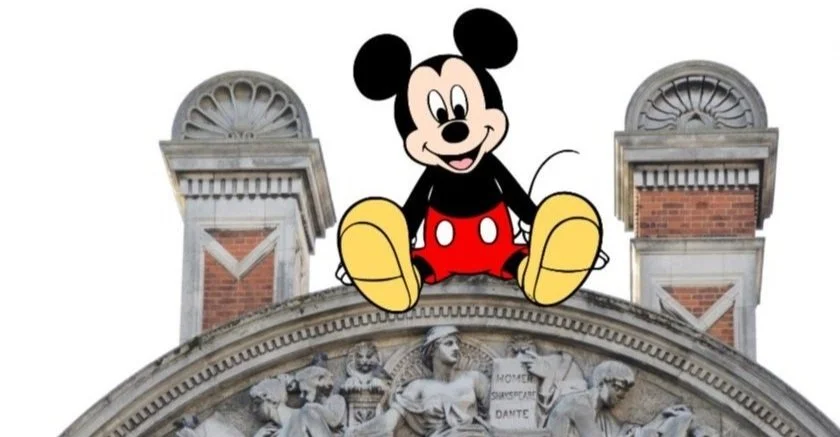
The relationship between the arts/humanities and academia has long been a contentious one. Within the sphere of research and study, is there a place to nurture imagination? For the subjects that distinguish right from wrong not by the answer itself but by its formulation? And where the assessed skill is conversation rather than correctness? Often, people dismiss these subjects as ‘Mickey Mouse’ degrees – considered (like the fictional rodent) lovable, fun, and functionally useless – and therefore lacking in value. Such ideas, ironically, prompt the exact kind of large, unanswerable questions that the humanities specialise in: how do we define value? Do we mean economic worth? Job prospects? Student satisfaction? Does it help people? And, ultimately, is pointlessness even such a terrible thing?
No lives have been saved by art in the material, direct way as they have been by a doctor or paramedic, yet human civilisation has occupied itself and united itself via the creation of art since before civilisation even began. After all, our present-day infrastructure, governmental structure, and healthcare are informed by the scientists, leaders, and healers of the past – of which we would know nothing without the records kept by history, one of the humanities. Historically speaking, scholarship in the humanities was instrumental in the intellectual development of feminism, women’s rights, and women’s education. As one of the first British colleges for women, Royal Holloway played a pioneering role in the movement, offering a wide range of subjects for the time, but primarily the humanities – Emily Wilding Davison studied literature here herself. The difficulty now is: is the study of the humanities still relevant today? In the digital age, where AI can almost instantly duplicate anything that a person could write, draw, compose, or build, what purpose remains for human creativity within the arts? Weighing in factors including employability, the future of the creative industries, social mobility, activism, and the roles of empathy, and connection, various voices across the Royal Holloway academic community offer their perspectives on the matter.
-
The “rip-off” or “Mickey Mouse” degree argument centres around the idea that humanities (and other) students aren’t equipped for the job market when they finish university. There’s a difference between education (learning about the world, becoming more interesting, mature, critical thinkers and ethically and culturally aware individuals) and training (learning how to perform a specific task or develop a vocational skill). We see a huge number of employers not asking for graduates with a specific degree background (only a fifth of employers do, according to the Institute of Student Employers), and humanities graduates can (and do) take jobs in sectors like law, finance and IT, and learn the technical skills required on the job. Employers like hiring them because they’re equipped with “a firm foundation in critical thinking, independent research skills and sophisticated linguistic and textual-information handling, coupled with advanced communication skills”(as it says in this year’s report from HEPI: The Humanities in the UK Today - What’s Going On). It is true that humanities graduates on average earn less than graduates studying medicine or computer science, but many humanities students go into public sector jobs and the creative industries where salaries tend to be lower. This also raises the question of how success is measured – is it all about a high salary? The argument about the benefits of humanities study isn’t straightforward – there is much debate around whether students from more deprived neighbourhoods would be better off studying a more vocational subject, and the counter-argument: shouldn’t poorer students be allowed to expand their minds and become culturally aware critical thinkers too? This article, and the comments underneath, offer an interesting perspective on that debate. Our advice for humanities students is to feel confident about the valuable, marketable skills you are developing at university, keep an open mind, and come and see us in the Careers Service if you’d like to talk it over!
-
I have been fortunate enough to study the ancient world since I was about twelve, and I immediately fell in love with it. Ancient languages, like Latin and Ancient Greek, are frequently labelled as ‘useless’, and I have heard this since I began to study them - however, this is wrong. These languages are the root of our modern society, and many modern Western languages stem from Latin and Ancient Greek. Studying these languages not only helps us further understand grammar for other modern languages but also allows us to develop logic and code-breaking skills, which are extremely transferable. I also love ancient mythology, and studying Classics has enabled me to dive further into this topic. Again, this may initially appear useless, but storytelling has been a pillar of communication for centuries, and I believe we should continue to tell these stories as their morals are often still relevant today.
-
James’ areas of study include contemporary French, gender and cultural studies and, since he began teaching, post-colonial theory.
Q: I've noticed that, compared to many other subjects, the arts and humanities seem to be further ahead when it comes to exploring issues of gender and race. Is there a reason, do you think, for that?
A: I think it’s largely because the humanities, disciplines engaging with issues of society and culture, are taught through debate. And importantly, humanities programmes at universities are a safe space for debate, so there's a chance to challenge, interrogate, and engage. Especially now, when society is so polarised, the environments we can create within higher education are even more important. It's not an easy process, but the humanities’ critical creative thinking is paramount. Within the humanities, there is attention to cultural difference and cultural specificity (which includes gender, race, ethnicity, age, etc.) and the discussion there is always respectful of difference. I think that's a crucial thing: the humanities encourage critical thinking through difference, it's all about mutual respect.
Q: How do you think, outside of academia, the arts and humanities can help build empathy and mutual respect between different groups of people?
I think that the university system can kickstart discussions to have interdisciplinary relations between subjects, people, and institutions. But does that translate more generally? I think it has yet to be proven. Right now, it seems to me that within UK society, we’re so fixated on certain issues and dealing with them in regressive ways, most obviously trans rights, that the discourse created is aggressive and not helpful for people to come together. That’s just one example, there’s climate change too, and AI and Brexit, and these issues are often polarised within the media.
Things happen in university discussions, classrooms and conferences that don’t translate into the general debate because we mostly get sound bites from experts with little chance for discussion. There’s no sense that we can do this together - I think that’s the real problem. In this country, the way things have developed post-Brexit, there’s less chance for genuine discussion because everyone has their own territory to defend. That’s quite a negative statement, but it does feel this way sometimes, and I think you’re asking if the discussions we have within universities can influence what's going on outside. And there, I’m a little pessimistic right now. I was much more optimistic five to ten years ago.
Q: What would need to happen for you to feel more optimistic again?
A: We need to have more genuine discussions between people from all areas and backgrounds. We need to work things out together, and the spirit of togetherness is a rare commodity right now. There has to be serious discussion of these issues, where we’re not just creating fear; we need to have more general and respectful discussions, to address rather than plant foreboding. While we’re dealing with the cost-of-living crisis and these issues, it’s often about short-term priorities. Political decisions are being made which may not be the best way of bringing everyone into the conversation. I feel that we're in atomized communities, and I think the university system (and humanities by extension) can help move beyond that, given the chance. But everything is under threat right now - universities, the NHS, etc. So, where's the chance? Where's the time for free, open, and safe discussion? We have to confront negativity in these different areas to work through it. We must address these core issues, and that means working with negativity as much as aspiring for positivity. There’s no way we can avoid that.
-
María works in the intersections between theatre and conflict transformation, specifically in post-conflict reconstruction after mass atrocities. She has used various art forms and qualitative research methods to understand the affective and emotional landscape within conflict settings.
Q: Where does creative practice sit within conflict transformation?
A: Everywhere. There have been many artists in different parts of the world that have rigorous practices with survivors of atrocities, in exploring their experiences but also staging plays, dance pieces, creative documentaries and films, so that’s one area of work where you can engage in creative practice - to produce something, to raise awareness for a particular issue. There’s also a lot of work in private settings, what we as artists or performers call the ‘rehearsal space’. Here, rehearsal means the everyday meetings we have and how they are informed and shaped by aesthetic principles and methods, and that’s the work I’m interested in. I’m interested in the private spaces and the intimate relationships and interactions people share; these have what we call ‘embodied aesthetic qualities’. If you talk about these things with a performer, they understand them in a rehearsal room, but in any human interaction, those same principles apply. If we are more attuned to how the arts can build, create, and shape our lives, we might be able to draw on those principles much more in these daily settings. This is an area of work I apply in my practice – in my practice, I work with former combatants and peacebuilding practitioners in Colombia.
Q: Do you think it's a very commonly misunderstood area of research? Do you get a lot of people having misconceptions that it’s just about beauty, it’s not about reality/helping people process their experiences?
A: Yeah, when you put it like that, in many ways.
I try to focus on both areas, because creative practice can help us navigate difficulties, and make sense of them. Sometimes in explicit ways, but more often than not tangentially. I started dancing when I was six years old, I studied Arts at Uni. I am an artist and a researcher. I have been able to take creative work into places I never thought possible. And you know what, the suggestion that the arts aren’t worth pursuing is violence in its most sophisticated form. If we try to limit what people learn and how they can learn, we have a limited view of the human experience – people live and exist in different ways and learn how to inhabit and contribute to this world in different ways. If we don’t have that, who are we? Where is our humanity? Without art, we cannot appreciate the richness of what we do, as the wonderful species we are.
-
I am a fourth-year Spanish and drama student. Drama is seen as a degree that won’t get you anywhere unless you want to be an actor. It’s incredibly undervalued, but I chose drama because it’s my passion and often brings together a diverse creative group. Growing up, I think this taught me a lot about compassion and understanding people with different experiences to me. Spanish is also so widely spoken that it has allowed me to connect with so many different people and cultures. I love how languages help me connect more deeply with people I would never have been able to communicate with otherwise.
-
Bob’s primary research interests are contemporary fiction, literary theory and European philosophy, and Holocaust and Genocide studies. He has written a book entitled Doing English: an introduction to studying English literature – including theoretical schools of thought, the history of the subject, and the value of literature.
Q: Why are the arts and humanities valuable?
A: There are three broad arguments for studying the arts and humanities. The first is that they have a highly effective instrumental use: the skills we teach our graduates include communication, critical thinking, and collaboration. Creativity, that ability to think your way around things, is the skill that the market calls ‘entrepreneurship’. One report calls these skills ‘Storycraft’, which in the world of AI is increasingly valued. The creative industries are also the largest-growing sector in our economy; the creative sector is currently worth £84 billion to the UK. So that’s a rather boring, material answer – the arts teach you crucial skills for the world of work. And these skills don’t age – learning to write, communicate, persuade, and create will keep you in your career forever.
The second reason, of course, is that the study of the humanities is delightful. It’s an astonishing intellectual experiment; engaging with the core of human experience over the past thousands of years is part of our ongoing conversation with the humanities. It’s no surprise that feminism grew within humanities departments in the mid-20th century, and humanities departments again pushed for decolonisation in the '70s, '80s, '90s, and more recently. The humanities bring voices into the conversation of our species and extend that conversation over time. That's why the humanities include both archaeology and the most up-to-date writing (or theory) that there is, so it’s a delightful part of humanity.
There’s a third sense, too, to what the humanities is, which is (to speak crudely and to reduce complex philosophy into simple terms) that each of us is both a ‘who’ and a ‘what’. The ‘what’ refers to the physical state of existence: we are bodies living in a concrete physical world. The job of science is to explore how that natural, physical world works. To ourselves, however, we’re also a ‘who’, and the study of humanities focuses instead on who we are. We understand who we are by the stories, representations, and reflections of ourselves (and others) within the world where we exist. The ‘what’ is greatly important, but the ‘who’ of the world is what we spend our time understanding – and that’s an extremely valuable thing. The ‘what’ of the world is unchanging, but the ‘who’ is who we are and how we engage with other people; wherever you are, in your daily life, you’re also being human, so even people who study the sciences are secretly doing the humanities, too. The humanities are about what people do, all the time, just in their existence as ‘whos’.
Q: Delving a little bit more specifically into that third point, the fact that the humanities explore identity and the state of being human. In Doing English, you talk about how English was introduced as an academic subject after the First World War, partly to restore human values to the world. Why do you think a sense of identity was so important to recover after the war, when English was growing as a subject? And what parts of that are still relevant today?
A: Our sense of who we are – as individuals, as communities, and as a species – is constantly evolving and shifts very, very rapidly when huge historical changes occur. The job of artists and people working in the humanities is to reflect on and try to understand how those changes impact people’s lives. We’re living in a time of amazing technological and social advancement, as well as radical political change – and all these things are changing our sense of who we are. Since the cultural representations of us, like literature and film, are the closest to us because everyone tells stories and jokes every day, they’re able to capture social and cultural changes in micro-detail. So, the artistic disciplines, more so than science and technology, give meaning to the changes we see in our lives. Different periods of time shape the humanities as disciplines, and it just so happens that a concatenation of forces after WW1 allowed English to emerge into a more formal, knowledge-based discourse, and it’s been uneasily there ever since. The study of literature doesn’t easily fit into a university structure, even though it now seems second nature that it does. In a good science lesson, everyone will have the same answer, but in a good English lesson, everyone comes up with a different answer. Education doesn’t like outcomes that are unpredictable, but that’s precisely what our engagement with literature, with the humanities, is.
-
One of the things I love doing as Dean is speaking at graduation ceremonies. In my speech this year, I quoted someone called Fred Rogers. He was a children’s television presenter, composer and puppeteer who created the long-running American programme Mr Rogers’ Neighbourhood in the late 1960s. Through the TV screen in our family home, Mr Rogers taught me, and millions of other young people, about care, compassion, responsibility, and how to manage my emotions.
At a time when the value of education in the arts and the cultural industries is often questioned, I find myself frequently thinking about practitioners like Fred Rogers. He offers us just one example of why creative skills are vital to building and sustaining a world in which folks can thrive.
This summer, a report called ‘Jobs of the Future’ was published. It states that by 2035, there will be a need for eleven million extra graduates and that 88% of new jobs will be at graduate level. It identified five areas in need of graduates, including teaching and creative skills. The world’s largest employers globally identified analytical and creative thinking as the most important skills they are looking for, followed by resilience, flexibility, motivation, self-awareness, and curiosity. These transferable creative and critical skills are at the heart of the arts and humanities, and graduates should unapologetically celebrate their much-needed abilities and achievements when they enter the workforce.
-
As a student of both Media Arts and Computer Science, I am deeply interested in the role of digital technologies for the arts and humanities. Such technologies seem to have led us to a world of doom-scrolling, short attention spans and saturation of media - all built on AI algorithms. But AI doesn’t have to be all about instant gratification and addictive behaviour.
What if we could use technology for the creative, fun stuff? Generative artificial intelligence resources such as text to image and autofill backgrounds, unlock a whole new capacity for arts across all professional levels, occupations and industries. This has been evident in a plethora of features delivered by AI in the digital world today. The future is now dictated by how we can creatively challenge these algorithms and it starts with us. The student working on a group project, the professor who creates engaging material, the small business owner who wishes to promote their brand. These are all the micro perspectives in which AI can now be used as a foundation for creative work.
As a generation known for being addicted to our phones, we should now step back from the black hole of addiction and look to using these new technologies as a tool for unlimited creativity.
As discussed, academics and students alike study the arts for the skills they develop, the opportunities they create – opportunities not just for careers but for meaningful conversations between groups of people also – and because real-world applications of artistic/creative principles can legitimately help people. When it comes to myself, I study the arts because they make me think - they actively promote free thought. I initially had no particular talent for writing or creating; I performed higher in maths class than in drama, but I took no interest in it. I would have made a terrible mathematician, but because of boredom, not ineptitude. Of all the arguments for studying the arts, passion is the most overlooked. If I must dedicate my education and career - decades of my life - to one pursuit, kindly permit me to enjoy it. Higher education is optional: it's my choice. I have chosen to pursue an ostensibly ‘frivolous’, ‘useless’ creative field of study: one which, one could argue, facilitates the development of empathy, conversation, and the communicative skill to advocate for myself when underestimated. As to whether these skills fit in with conventional academia, they don’t. If we take a medieval, ‘traditional’ view of academia, there would be no non-rich, non-male scholars, and certainly none with either incentive or ability to dispute the oppressive status quo. To me, it seems uncoincidental that the arts are one of the few academic fields where men are the minority and are chronically undervalued.
Not only is this preconception that the arts don’t contribute to society a misconception, but such a utilitarian approach to education fails to appreciate its inherent value. Education is a human right, as is access to culture and art and freedom of opinion and expression. Our intelligence and capacity to create distinguishes us from every other species on the planet, and language and art have been a primary occupation of humanity for centuries. The undeniable truths that 1. the arts are enjoyable and 2. the arts contribute to the betterment of society can, and must, coexist.
As demonstrated, there is value in all fields of research and study, but even if the arts didn’t contribute to society, I see no harm in joy. The cynics may do as they please, but I have no intention of removing all entertainment, literature, art, film, and philosophy from the world and watching our lives drain of colour. If we consider ourselves the most sophisticated species on Earth, there must be more to life than a bare, functional existence.
If we reduce our identities to our usefulness, we render ourselves machines, not people. Humans cannot be the most intelligent species on Earth if our humanity is taken away. So, in lieu of asking ‘what’s the point of studying the arts?’, I propose a different question: what’s the point of being educated if we don’t know who we are?
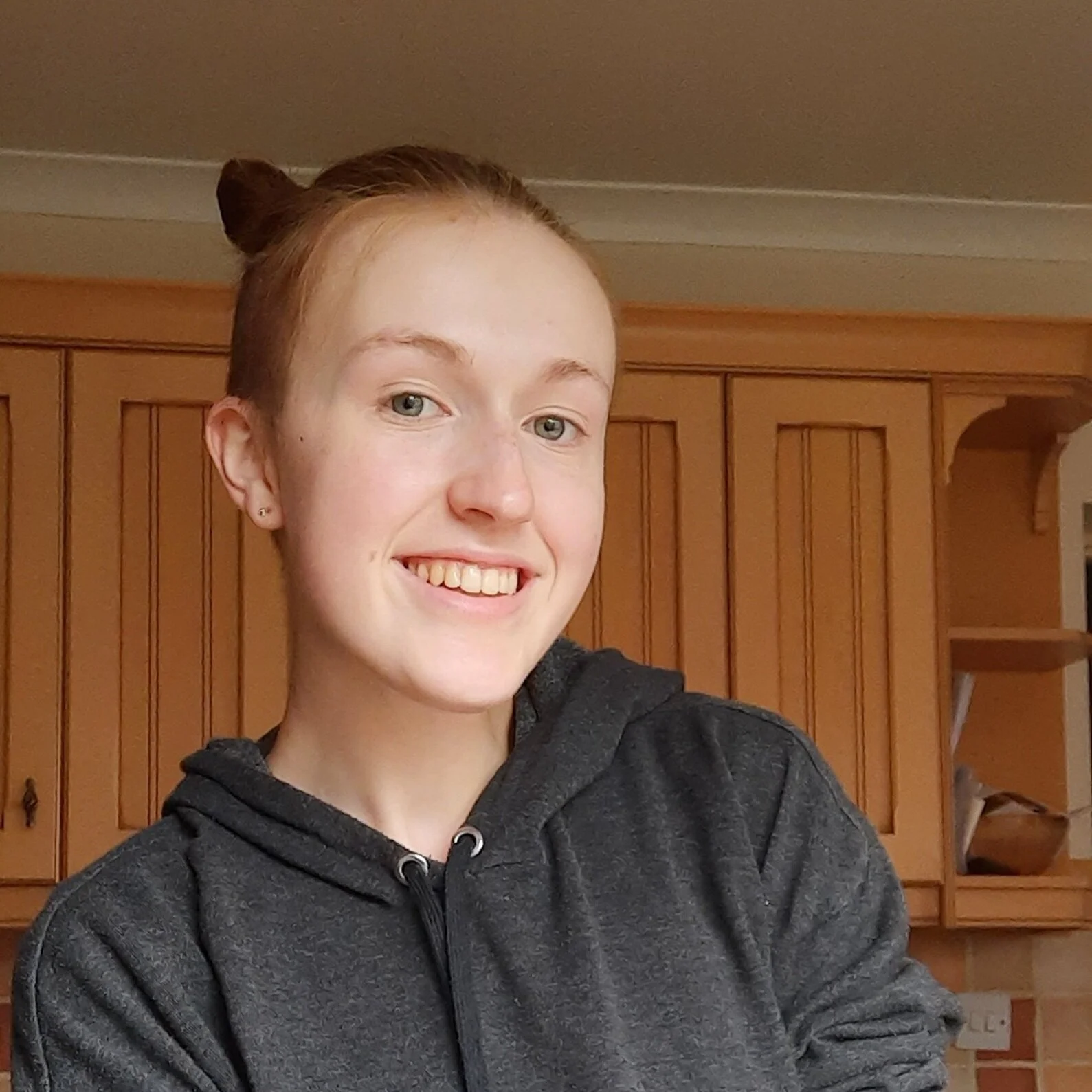
Rusty Thorne,
First Ink Feature Writer
This article is also provided as a six-page PDF download. Please click here.
With special thanks to our contributors:
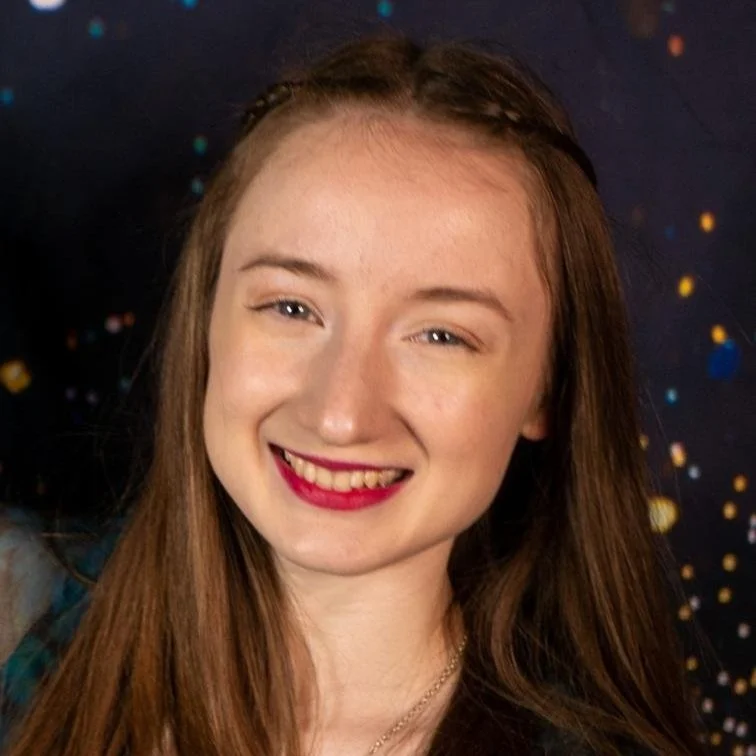
Beth Thompson
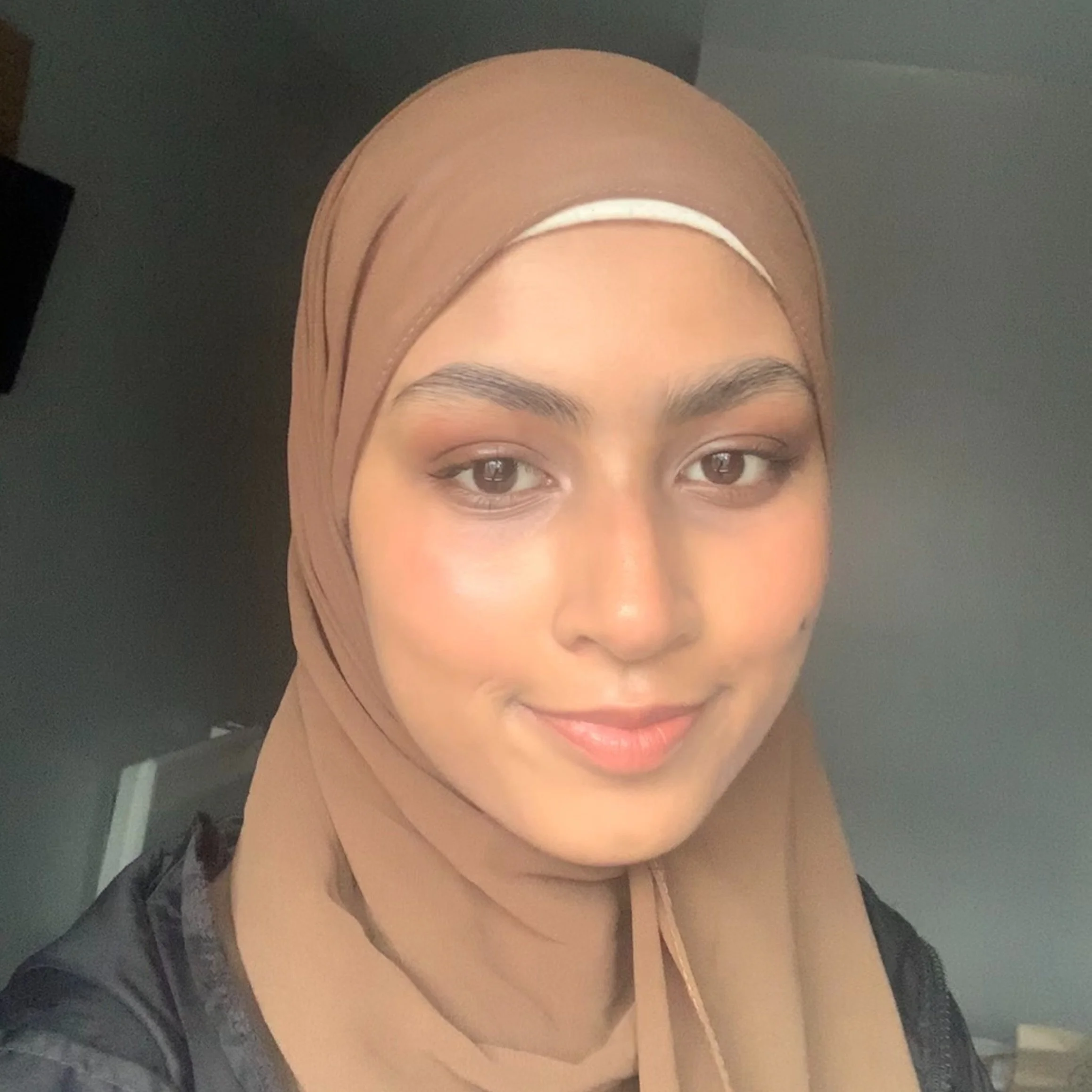
Saima Uddin
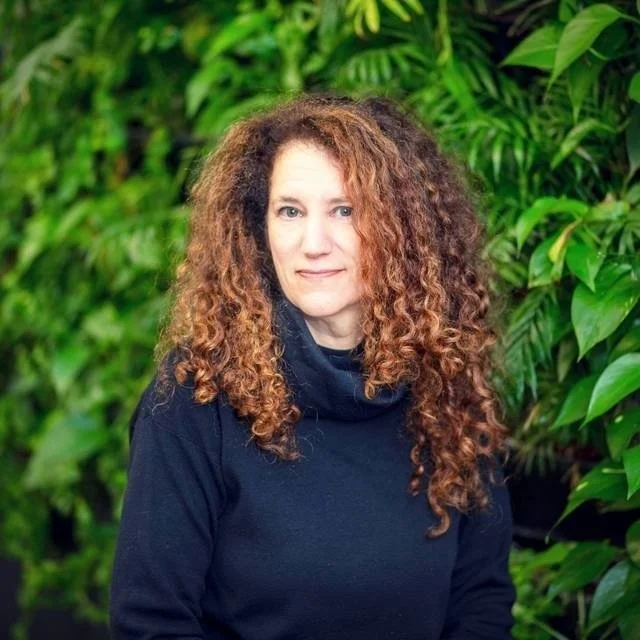
Prof Roberta Mock
Prof James Williams
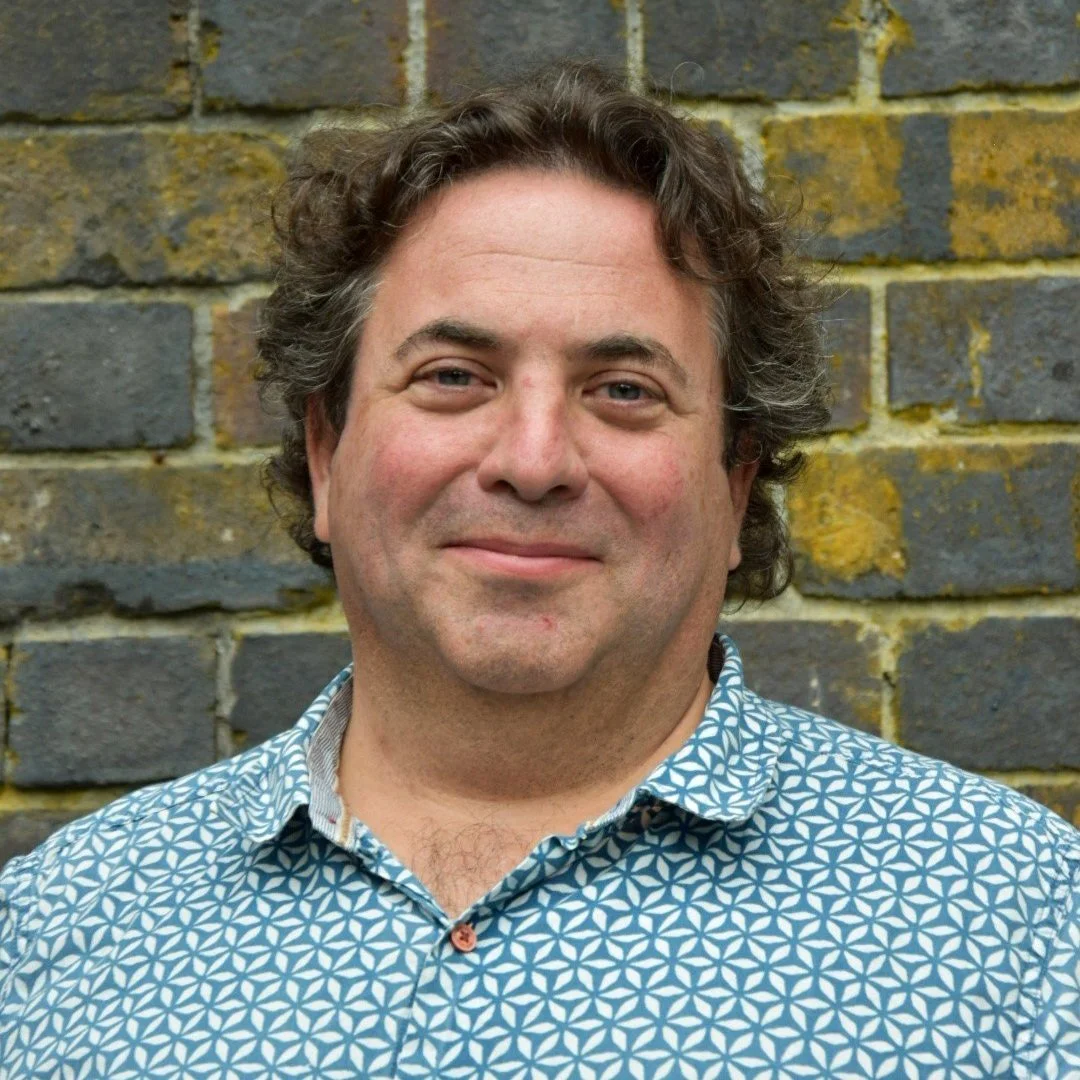
Prof Bob Eaglestone
Isabella Thistlewood
Dr María Estrada-Fuentes
Louise Ogle